This Flag Day, We Honor Grace Wisher
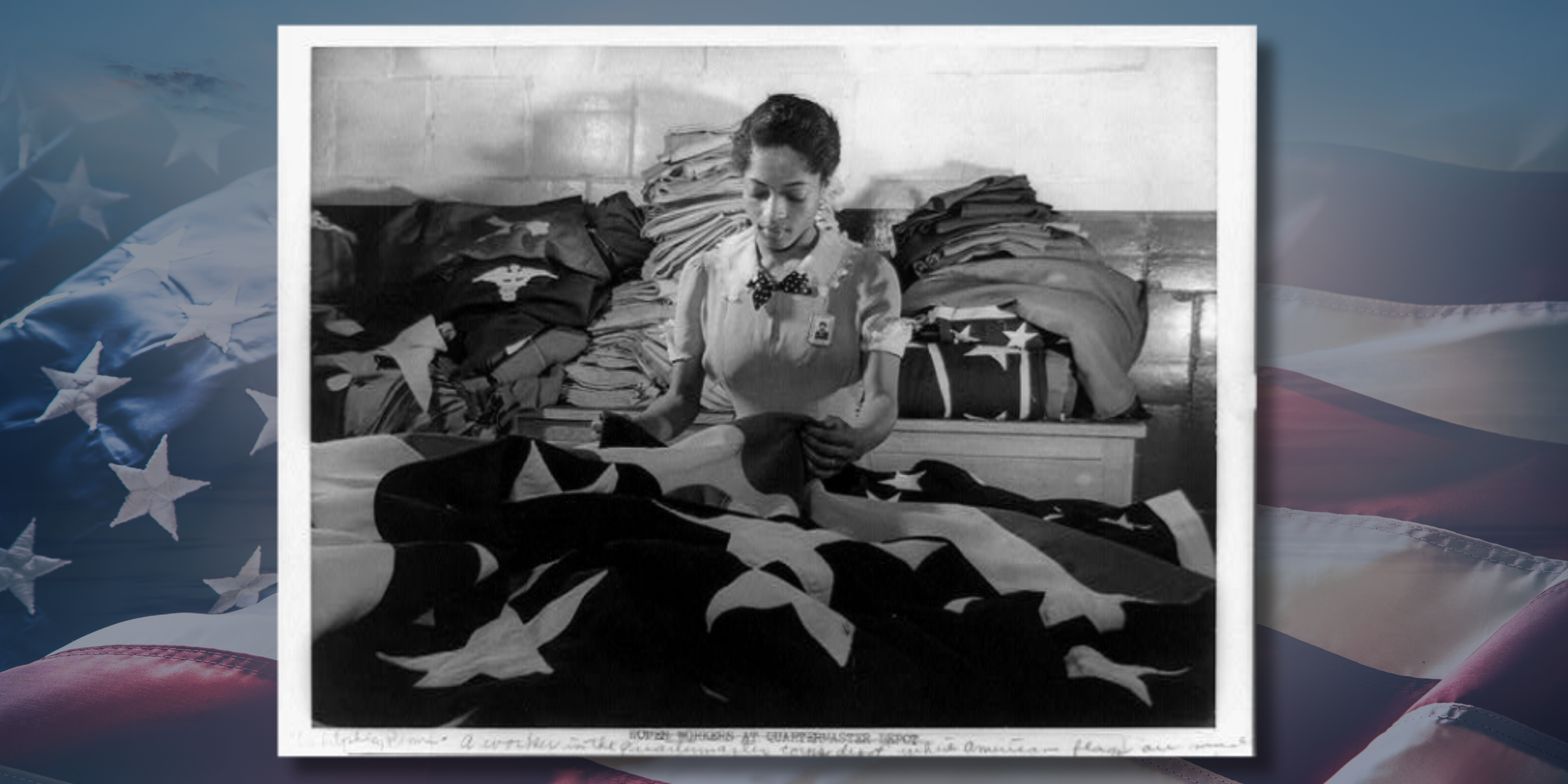
On Flag Day, Give Black Alliance honors Grace Wisher, the young Black girl whose skill and craftsmanship helped create the Star-Spangled Banner.
We honor her not simply because she was Black, or because she was a girl, but because her story reminds us that Black people helped build the very symbols of this nation.The American flag itself carries the labor, skill, and craftsmanship of Black Americans.
Over 200 years ago, Grace Wisher was a free Black girl in Baltimore, brought into an apprenticeship with flag maker Mary Pickersgill. Her mother, Jenny Wisher, also a free Black woman, made a deliberate calculation about how she could provide economic opportunity for her daughter. Jenny chose a path that offered Grace skills, stability, and the possibility of self-sufficiency. That choice was an act of love, strategy, and sacrifice made under severe constraint.
By 1813, five years into her indenture, Grace helped sew a flag measuring 30 by 42 feet, so massive the work required a brewery's malt house floor to lay it out. Grace did not just assist in this undertaking. She was essential to it. Yet the indenture contract that governed her work told a different story about how she was valued. The white apprentice in the same household, 13-year-old Mary Ann Martin, was promised reading and writing instruction in her contract. Grace's contract contained only “the art and mystery of Housework and plain sewing.” The inequity was not incidental. It was written in.
That flag flew over Fort McHenry. It survived the British bombardment during the Battle of Baltimore, inspiring Francis Scott Key to write the poem that later became the National Anthem of the United States.
Grace likely left the Pickersgill household in 1815, when Maryland law ended her indenture at the age of majority. What became of her after that remains unknown. The erasure did not begin with historians. It began when Mary Pickersgill and her family received recognition for their contributions, and Grace received none.
As journalist Rikki Byrd wrote in Teen Vogue, Grace Wisher's contribution should not go unknown. Byrd's work brought national attention to a story too often left out of American history and challenged us to remember who truly helped shape the fabric of this country.
At Give Black Alliance, we hold that Black contribution to this country is not rooted in deficit, but in resilience, craftsmanship, and the intentional building of this nation. Our work as a people is woven into the very fabric of America. Grace Wisher represents the generations of Black Americans whose genius, skill, and sacrifice shaped this country, even when history refused to fully acknowledge them. Jenny Wisher represents the mothers who made impossible calculations so their children might have a chance.
On this Flag Day, we honor them both. We honor Grace Wisher and the enduring legacy of Black people as makers of America, not outsiders to it.
LEARN MORE:
National Park Service: Grace Wisher, Flags USA: Grace Wisher and the Star-Spangled Banner, Teen Vogue: The American Flag Was Sewn in Part By A Teenage Black Girl