This Martin Luther King Jr. Day, Nostalgia Is Not Neutral
Martin Luther King Jr. Day Beyond Nostalgia: The Truth We Still Refuse to Tell
Martin Luther King Jr. (MLK) Day has become a mirror, one that reflects not only inspiration but sometimes discomfort. For some, the day brings guilt: memories of flight to the suburbs, of blinds quietly drawn on problems so massive they became invisible. For others, it brings loss, memories of segregated communities that were not sites of deprivation, but hubs of Black excellence: doctors, lawyers, grocers, educators, and organizers building dignity and possibility within constraint.
And then there are those who helped with strings attached.
Those who stayed silent.
Those who said change was moving too fast.
And those nostalgic for a rigid past, where everyone knew their place, safely confined in a racial and social hierarchy prison built on lies.
MLK Day gathers all of us -- the hopeful, the guilty, the angry, the fearful into the same moment. And that moment still confronts the challenge Dr. King named with unsettling clarity: racism, economic injustice, and militarism, the “triple evils” that distort democracy and hollow out freedom.
The Comfort of a Curated Memory
However, America loves Dr. King, especially the parts of him that feel safe.
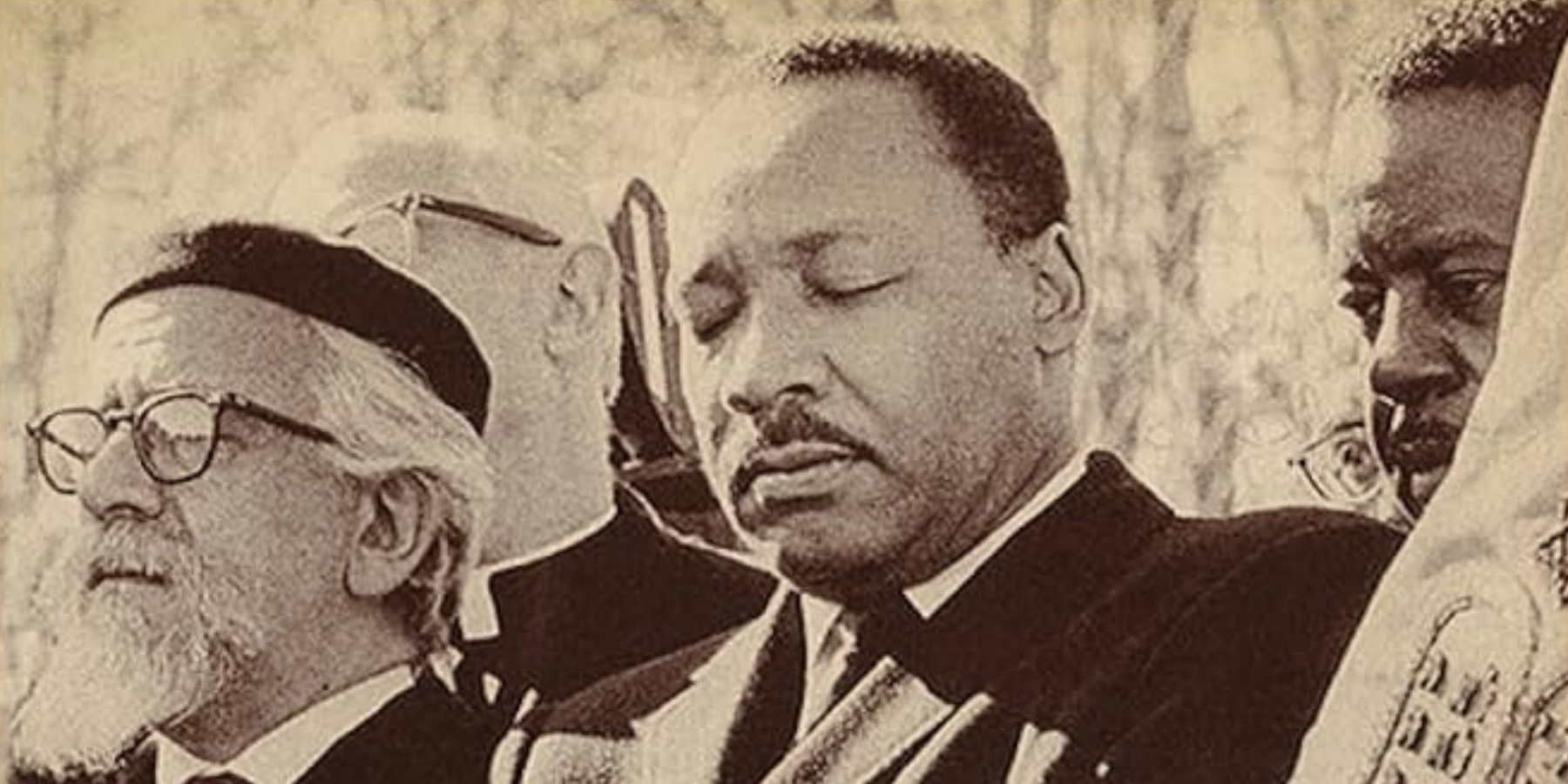
We replay “I Have a Dream” as if it were the end of the story rather than the opening demand. Nostalgia allows us to freeze Dr. King in time, stripped of his radical critique of power, wealth, and violence. It lets us celebrate progress without confronting persistence.
But nostalgia is not neutral. It is a distortion.
Defined as a sentimental longing for the past, nostalgia becomes dangerous when it replaces truth with myth, when it turns history into a morality tale instead of a reckoning. It fuels the comforting lie that the nation has already done the hard work, that inequity is accidental rather than engineered.
Healing, however, requires truth.
And truth requires reality.
We cannot heal when we refuse to name the problem. We cannot build freedom on denial. Nostalgia allows us to avoid accountability while calling it remembrance.
From Deficit Myths to Asset Truths
We want to present a challenge, to reject narratives that frame Black communities as problems to be solved rather than assets to be honored. Dr. King’s vision was never rooted in pity or charity; it was grounded in dignity, collective power, and shared responsibility.
Moving beyond nostalgia requires interrogating inherited myths:
Who benefited from the systems we call tradition?
Whose labor was extracted?
Whose generosity went unacknowledged?
Whose resilience made survival and progress possible?
Dr. King understood that racial justice could not be separated from economic justice, and that democracy could not survive extreme inequality. That truth remains unresolved, not outdated.
2026: A Reckoning, Not a Celebration
Celebrating MLK Day in 2026 arrives at a historic crossroads.
It marks 250 years since the founding of a nation still struggling to become a true democracy—and 100 years since the first observance of Black History Month, created to insist that Black history is not supplemental, but foundational.
These anniversaries demand more than ceremonial speeches. They demand an honest assessment of who we have been—and who we are willing to become.
Dr. King stood on the steps of the Lincoln Memorial not to offer nostalgia, but to issue a call. His dream was not passive hope; it was a moral demand for transformation.
The Power of 26
This is why MLK Day 2026 must be about reclamation, not remembrance.
GBA’s theme this year is The Power of 26. GBA is advancing a national program series that centers Black resilience, renewal, and generosity, not as footnotes to freedom, but as its truest expressions. This work challenges deficit narratives and insists that philanthropy, policy, and public memory tell the whole truth.
The dream was never meant to be admired from a distance.
It was meant to be lived into.
Moving beyond nostalgia means telling the truth about power, honoring Black assets, and committing to the unfinished work of justice—not someday, but now.
Because history does not move on its own.
And most of all, thank you, Dr. King, for reminding us that whether it is 1776 or 2026, freedom has never arrived without courage.