A reflection on the 2026 election from Bithiah Carter, President and CEO
Give Black® Alliance did not comment on Election Day. We chose to wait. The commentary arrived long before the count. In Mississippi, the count took eight more days, and the networks called Scott Colom’s race on Wednesday, November 11, at 6 p.m.
We waited on purpose. We wanted to learn from the communities that cast those ballots and give them the patience to hear every one. We do not speak for the South until the South has finished speaking. Waiting for every vote is not a delay. It is a value, the same value that drives our philanthropy: listen first, then act.
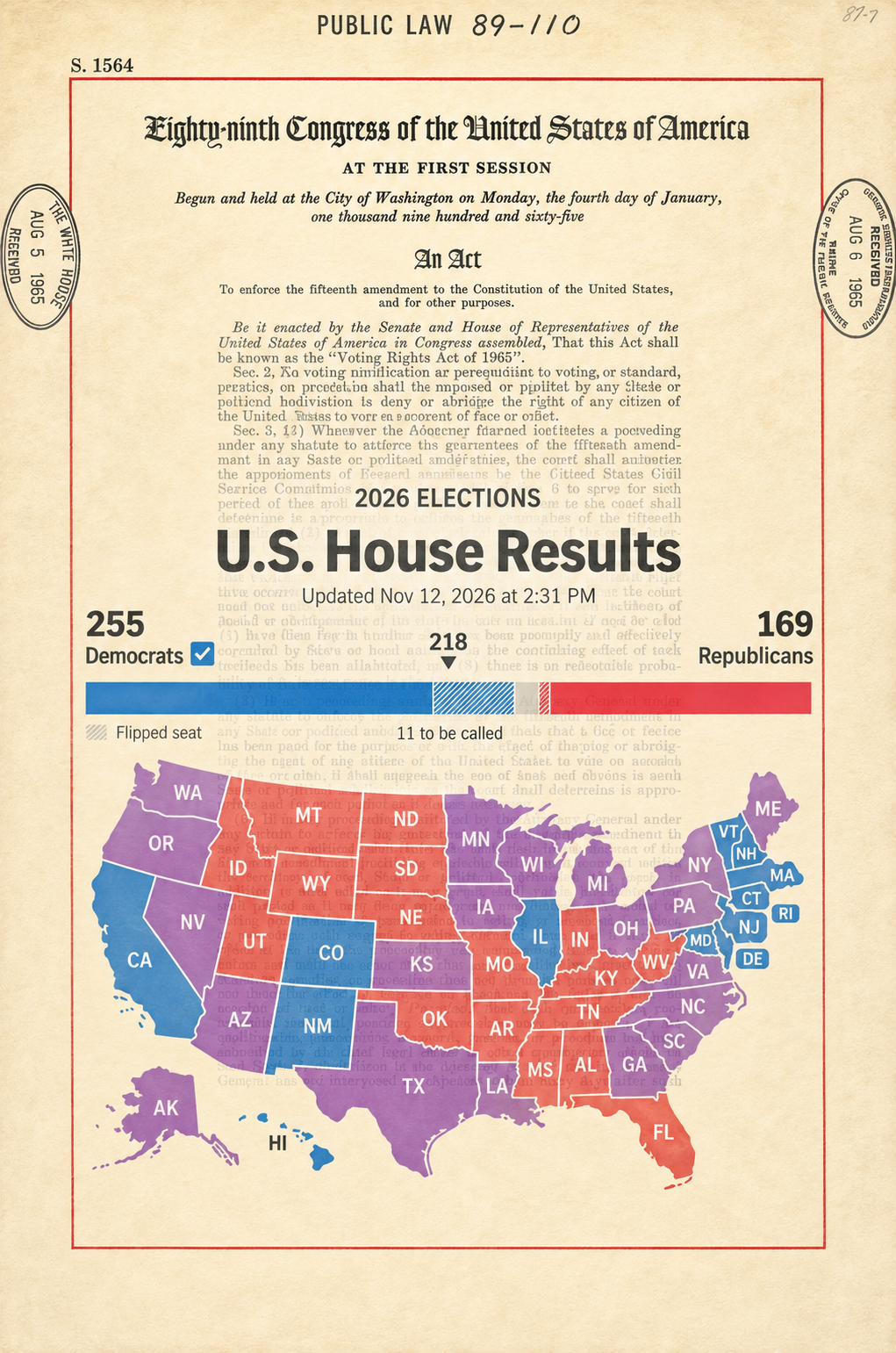
This election carried stakes we could not ignore. Months earlier, the dismantling of the Voting Rights Act awakened us to the diminished future of our democracy. We needed to see whether voters would answer.
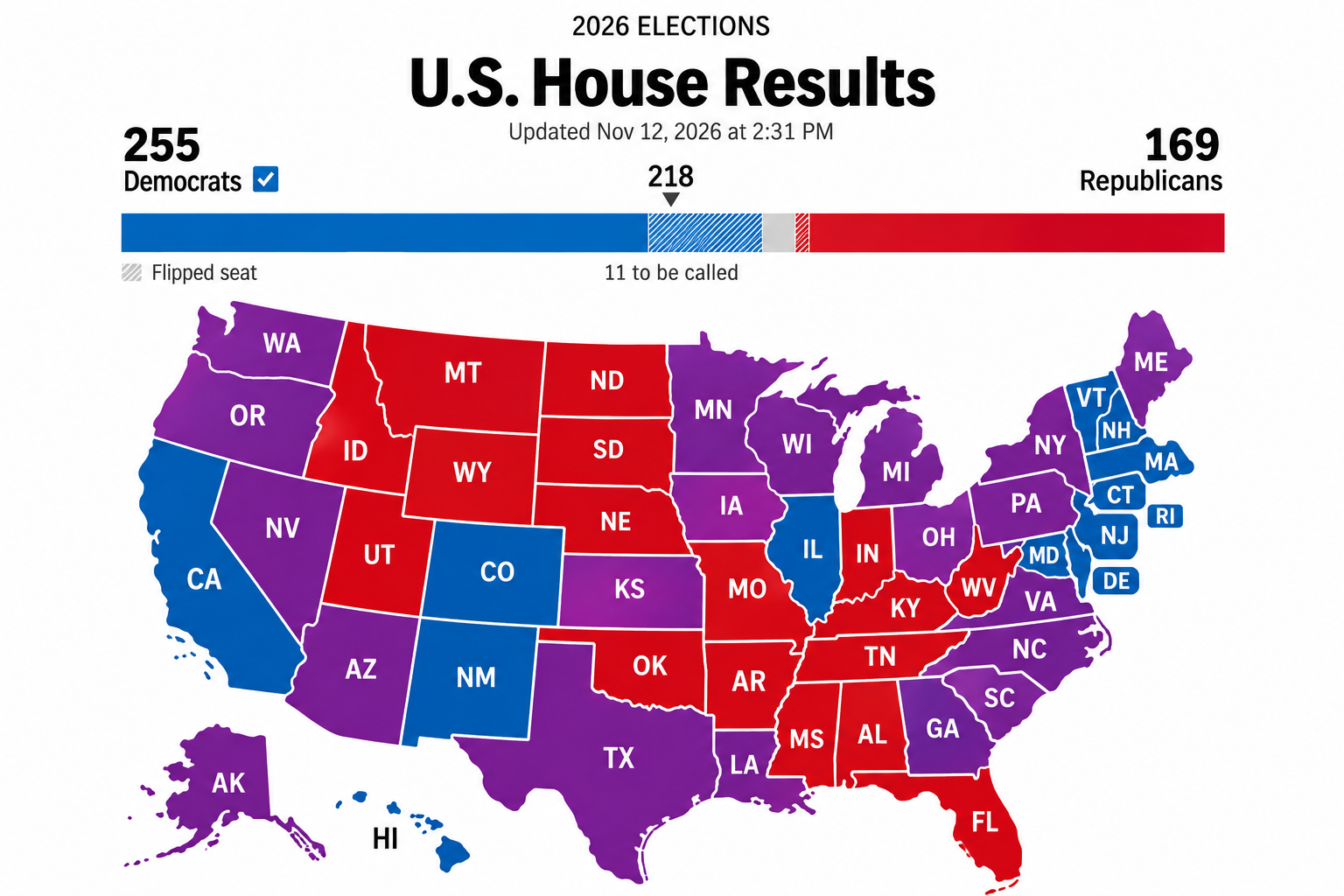
The election produced flipped seats, a new Senate majority, and historic firsts in governors’ offices across the country. The news called it a blue wave. We celebrate the voters and organizers behind it.
Then our staff took a hard look at the water. We had to acknowledge that this wave may be more like purple rain.
The Ladder Lost Its Rungs
A wave changes who holds power. It does not, by itself, change the fate of families. For three years, the country waged a national campaign against diversity, equity, and inclusion. Corporations went quiet. Foundations went quiet. Some of our so-called friends turned and ran.
That climate reached the federal workforce, where Black women had long built stable, middle-class careers. Black women make up about 6 percent of the U.S. labor force and 12 percent of the federal workforce. Yet they absorbed roughly one third of the nearly 300,000 federal jobs cut in 2025. By 2026, Black women’s unemployment reached 7.3 percent.
Wealth followed the same path. From 2022 to 2025, the median net worth of Black households fell 25 percent after inflation, while the national median rose about 2 percent. The Center for Economic and Policy Research traces the decline in part to falling values of Black homes and retirement accounts. These assets are not luxuries. They are the ladder. When the ladder has fewer rungs, every slip costs more.
We heard that the retreat from equity meant a return to merit. Black families did not lose merit between 2022 and 2025. They lost ground. They lost equity in the most literal sense of the word. We are an interdependent society. Our loss will become everyone’s loss.
So this election asked more than who would win. It asked whether the communities losing ground could still make themselves heard.
Mississippi Answered
Mississippi answered under pressure. On April 29, the Supreme Court ruled 6 to 3 in Louisiana v. Callais. The decision struck down Louisiana’s second majority-Black congressional district and narrowed Section 2 of the Voting Rights Act, the provision Black voters have relied on for four decades to challenge discriminatory maps. Justice Elena Kagan called it the “now-completed demolition of the Voting Rights Act.” Mississippi’s governor has already signaled that lawmakers will redraw the state’s congressional maps under the new rules. The state also enacted a new law that screens voters against a federal immigration database.
Cassandra Welchlin of the Mississippi Black Women’s Roundtable told our Black T podcast that generations of struggle built “a muscle.” This year Mississippi flexed it. Forecasters called the Senate race settled before it began. Organizers, churches, and neighbors ignored the forecast. Nearly one million Mississippians voted, and they sent the first Black senator from Mississippi to Washington since Reconstruction.
That is why the vote matters as much as any program we fund. Losing DEI costs us the rooms where leaders make decisions. Losing the vote costs us the power to decide who sits in those rooms.
DEI opens doors. The vote builds the house.
Purple Rain Still Falls
One victory does not end the work. The seat count tells one story. The map tells another.
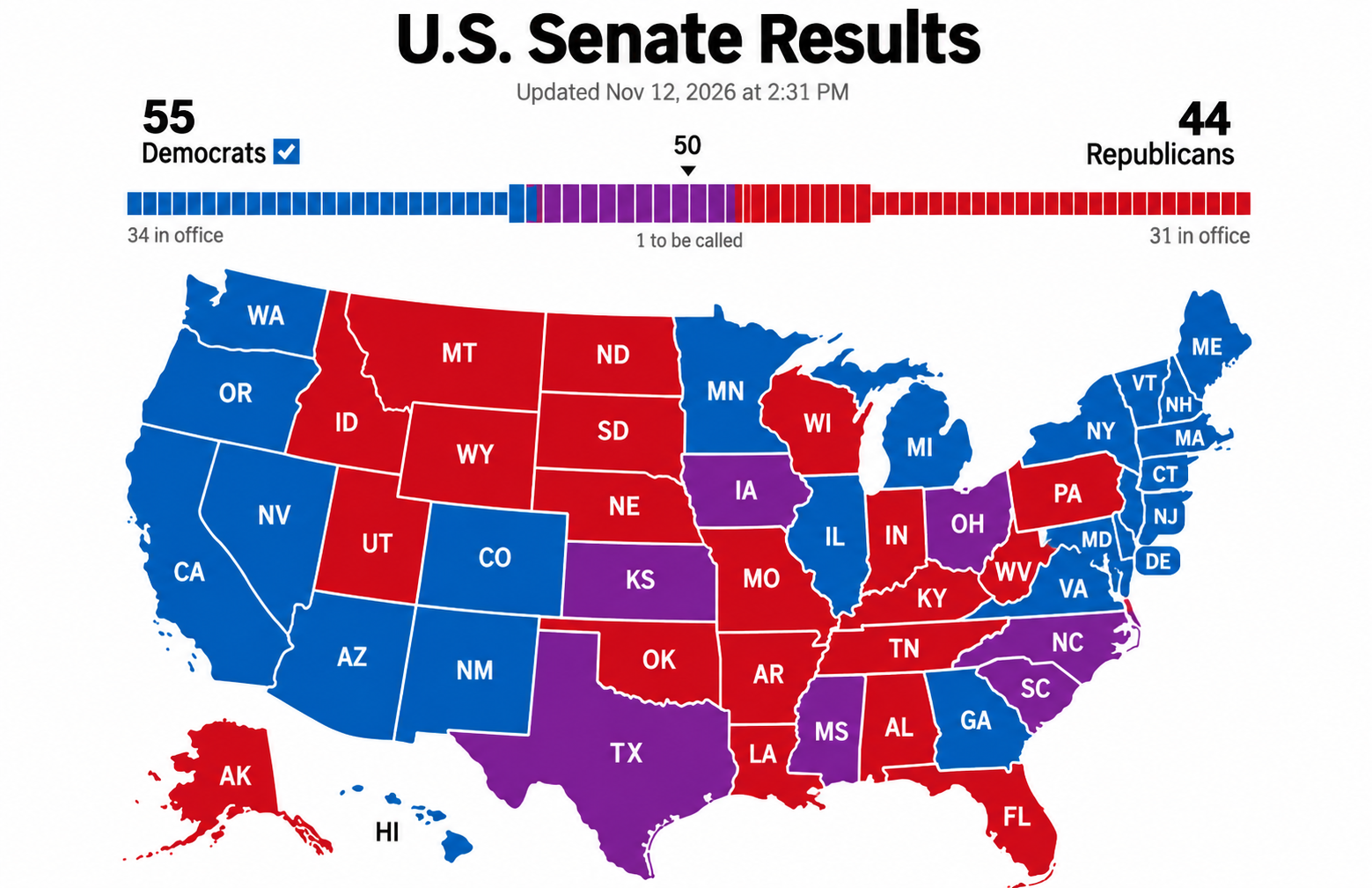
In Florida, Alabama, Tennessee, Arkansas, Kentucky, and Oklahoma, every Senate seat stayed red.
More than 7.5 million Black Americans live in those six states alone. Their families, their jobs, and their civic lives do not disappear because their states voted one way. A map can color a state red, blue, or purple. No color tells the full story of the people who live there. Purple is the color of a country still deciding who it wants to be.
Philanthropy’s Test
Philanthropy helps the country decide how we will live together. The giving data shows how far we have to go. During the DEI retreat, affluent American households directed 1 percent of their charitable dollars to social and racial justice causes. One percent will not refill a reservoir of Black wealth that lost a quarter of its water in three years.
This year, Give Black® Alliance sent $300,000 to grassroots organizations across the country, including eight states in the South. They did not need our direction. They needed our partnership. In this effort, we gathered donors from many communities, including a partnership of Black and Jewish donors, because we all have much to lose from an undemocratic society. We halted the hierarchical practice of philanthropy and instead stood as willing partners to learn from our peers on the ground doing the work. That is the Power of US at work.
Now these organizations face the funding cliff. Every election year, funders arrive in the fall and leave in November. The grants end when the polls close, and the organizers who protected the count wake up to empty accounts. Philanthropy that disappears after the vote does not build power. It rents it.
Our ask: support Give Black® Alliance in making multi-year, life-cycle investments, not election-cycle grants.
Fund the organizers in the quiet years, when they register voters, train leaders, and build the trust that turns out a state. Democracy runs on a full cycle. Our giving must run on one too.
The election restored representation. It did not restore equity. We do not need to apologize for diversity, equity, and inclusion. We need to fund them.
Lift Every Voice
Our Black national anthem gives us an instruction: “Let us march on till victory is won.” This month we marched. As Scott Colom said after his victory, “This journey started with a prayer, y’all. In Mississippi, our prayers have often changed the course of history.”
Faith moved Mississippi. Now philanthropy must move with it, and stay after the cameras leave.
Blue wave or purple rain? Every reader and every voter will answer that question. Our answer to what comes next does not change: fund the work in every season.
That is the unrelenting Power of US.
Give Black® Alliance is a nonpartisan organization. It does not support or oppose any candidate for public office.
Sources
Federal Reserve Board, 2025 Survey of Consumer Finances.
Algernon Austin, “Black Wealth Takes a Nosedive,” Center for Economic and Policy Research, October 2026.
Associated Press, 2026 U.S. House and Senate results, November 12, 2026.
Louisiana v. Callais, Nos. 24-109 and 24-110, U.S. Supreme Court, April 29, 2026 (Kagan, J., dissenting). SuperTalk Mississippi News, on Gov. Tate Reeves and congressional redistricting, May 2026.
Mississippi Senate Bill 2588 (SHIELD Act), 2026.
Natalie Y. Moore, “What Happened to the Black Women Trump Purged From the Federal Work Force?” Hammer & Hope, 2026.
AFROTECH and Black Enterprise reporting on Black women’s unemployment, 2026.
U.S. Census Bureau 2025 population estimates, Black or African American alone, via BlackDemographics.com.
Bank of America, 2025 Study of Philanthropy, page 10.